
“Can beer express our terroirs?”
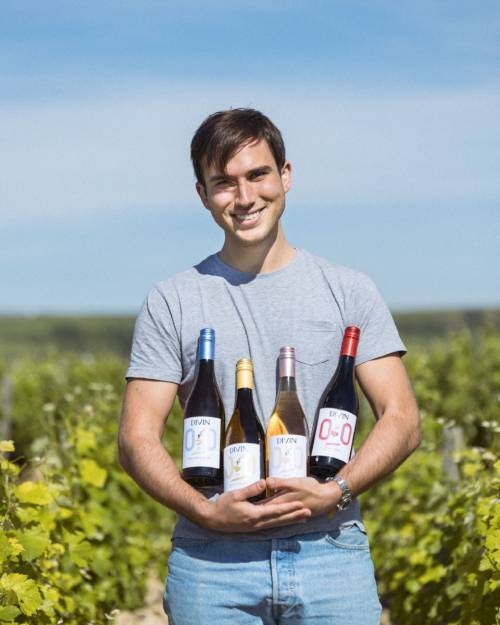
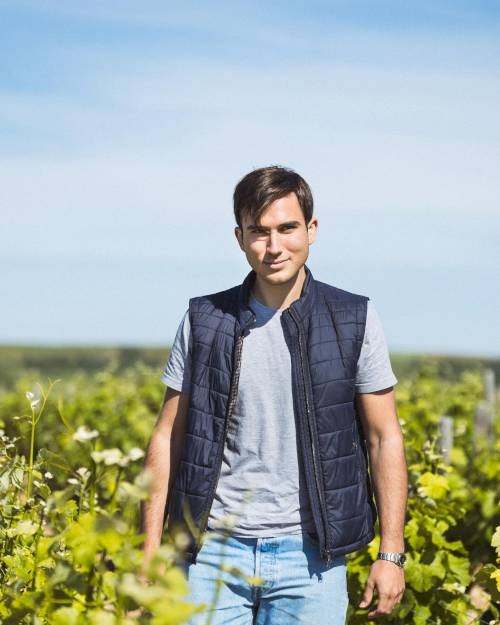
Our 0.0% beers were born from a decisive encounter between Dirk Naudts, a Belgian Master Brewer and pioneer of alcohol-free brewing, and Alessandro Bariè, winemaker-creator at DIVIN.
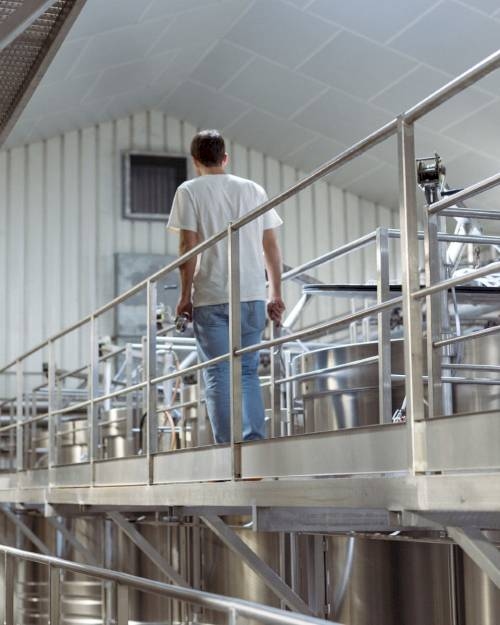
Around vats and barrels, one question emerged: can beer express a terroir?
From this intuition came a new vision of taste. In the heart of the Loire Valley, DIVIN brings together the art of brewing and the heritage of Loire grape varieties.
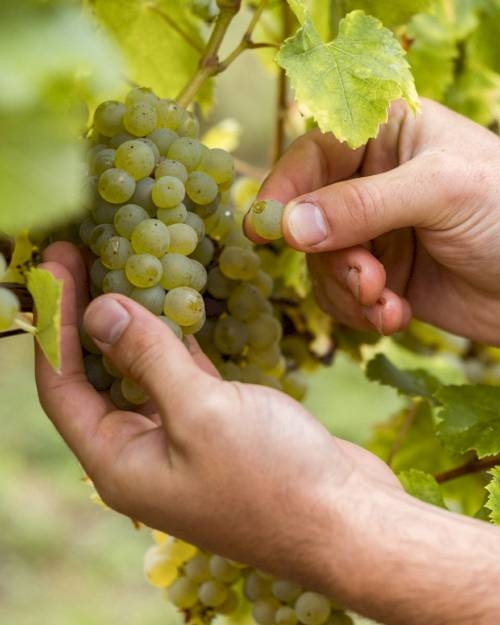
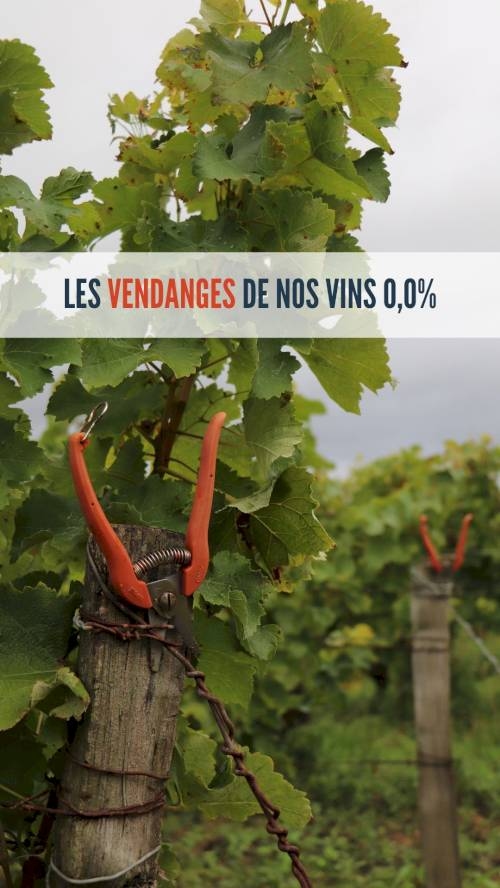
Made from a rigorous selection of grapes and musts during the 2025 harvest, our 0.0% beers create a unique bridge between wine and beer, where finesse, freshness, and emotion guide every creation.
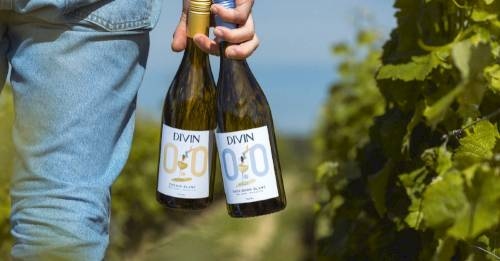
Two craft 0.0% beers
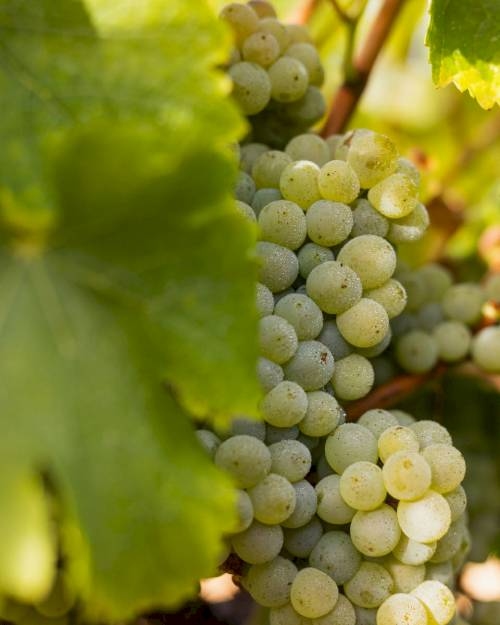
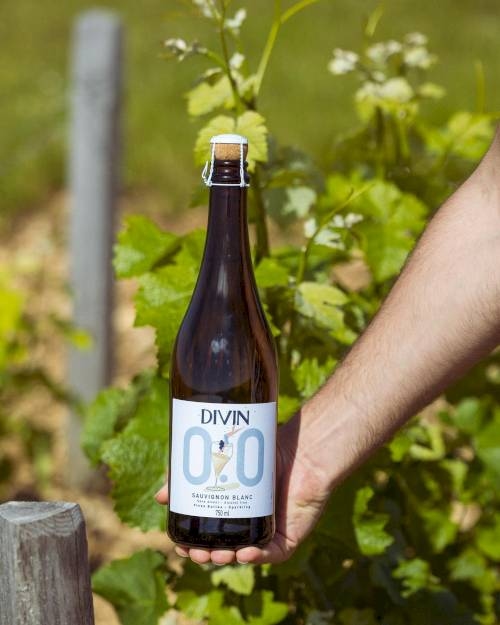
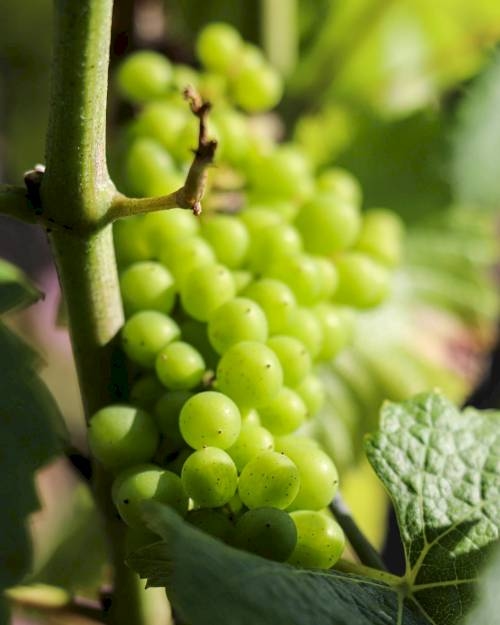
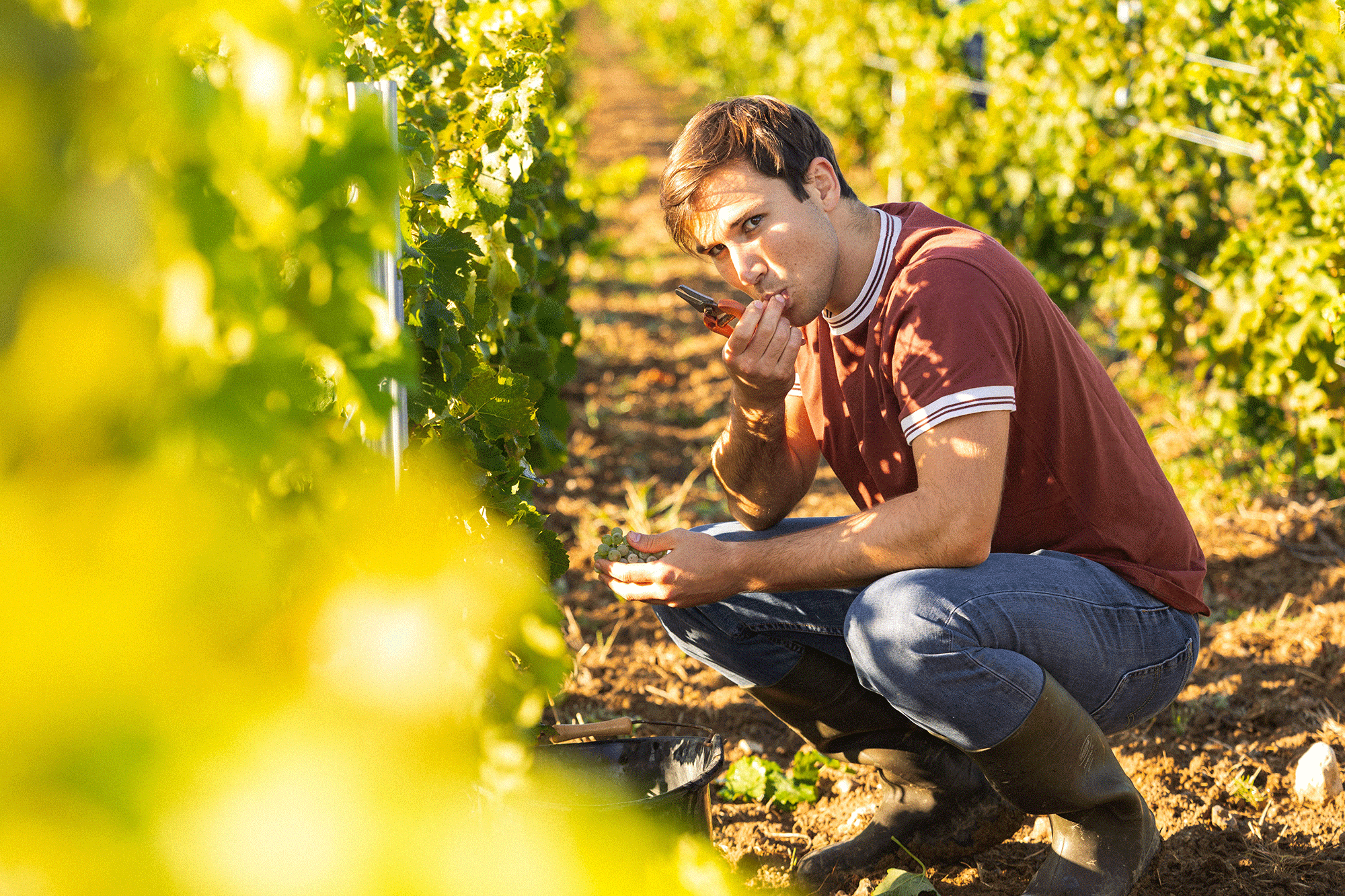
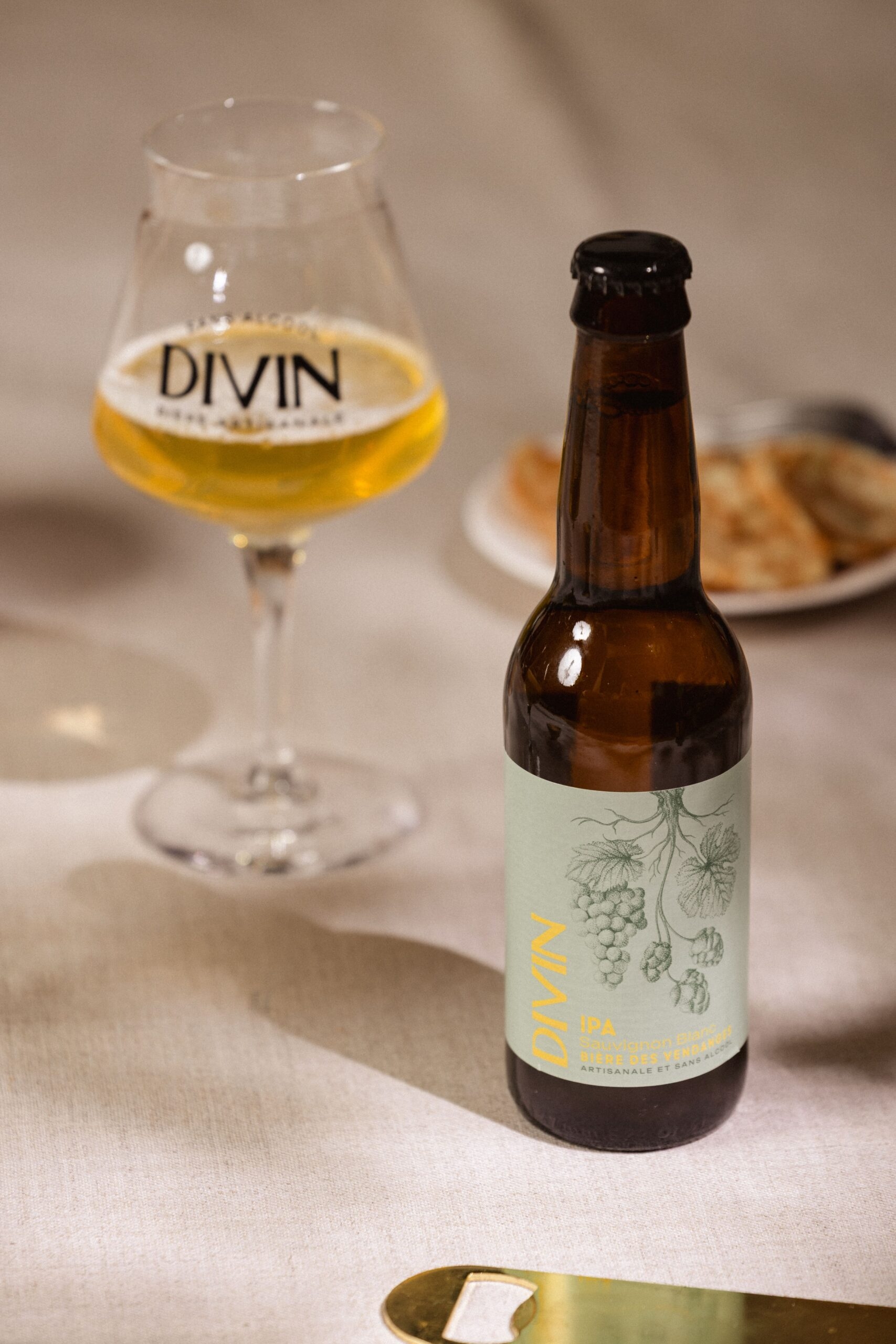
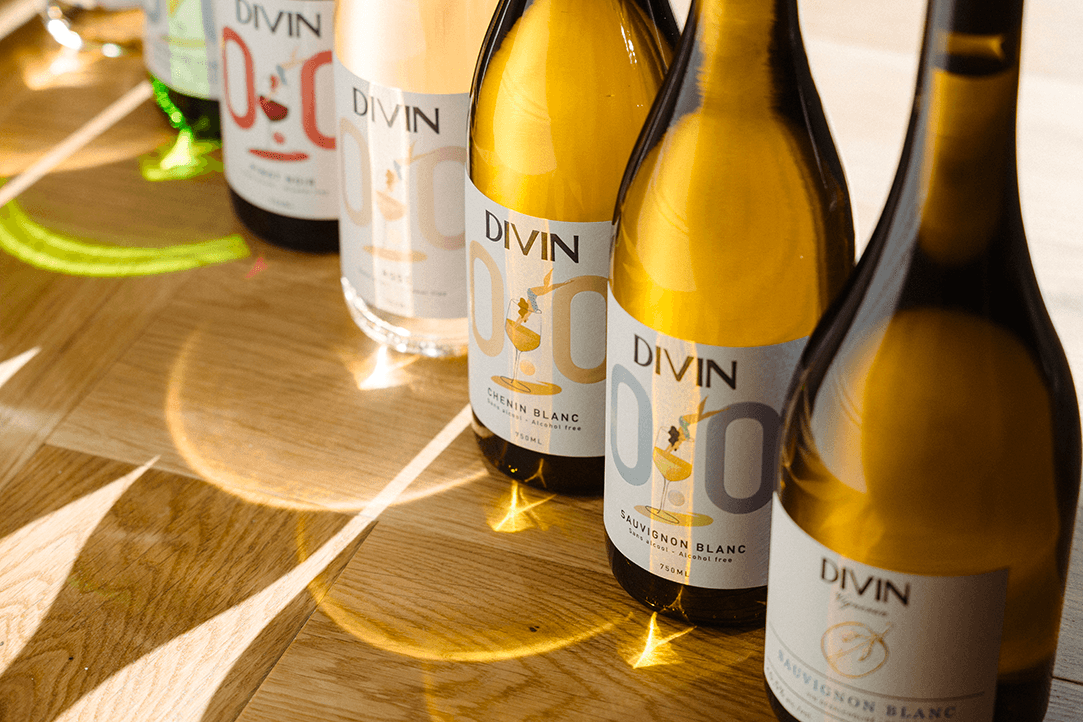
True to its spirit of innovation, DIVIN is expanding its horizons in 2026 with two alcohol-free beers made from Sauvignon Blanc and Chenin Blanc grown in our IGP Val de Loire vineyards.
They offer a new expression of terroir and creativity, capturing the freshness and elegance of our emblematic grape varieties.
These beers are designed to be shared in convivial moments, to rediscover the Loire terroir differently, and to enjoy alcohol-free beer with all the finesse of grapes.
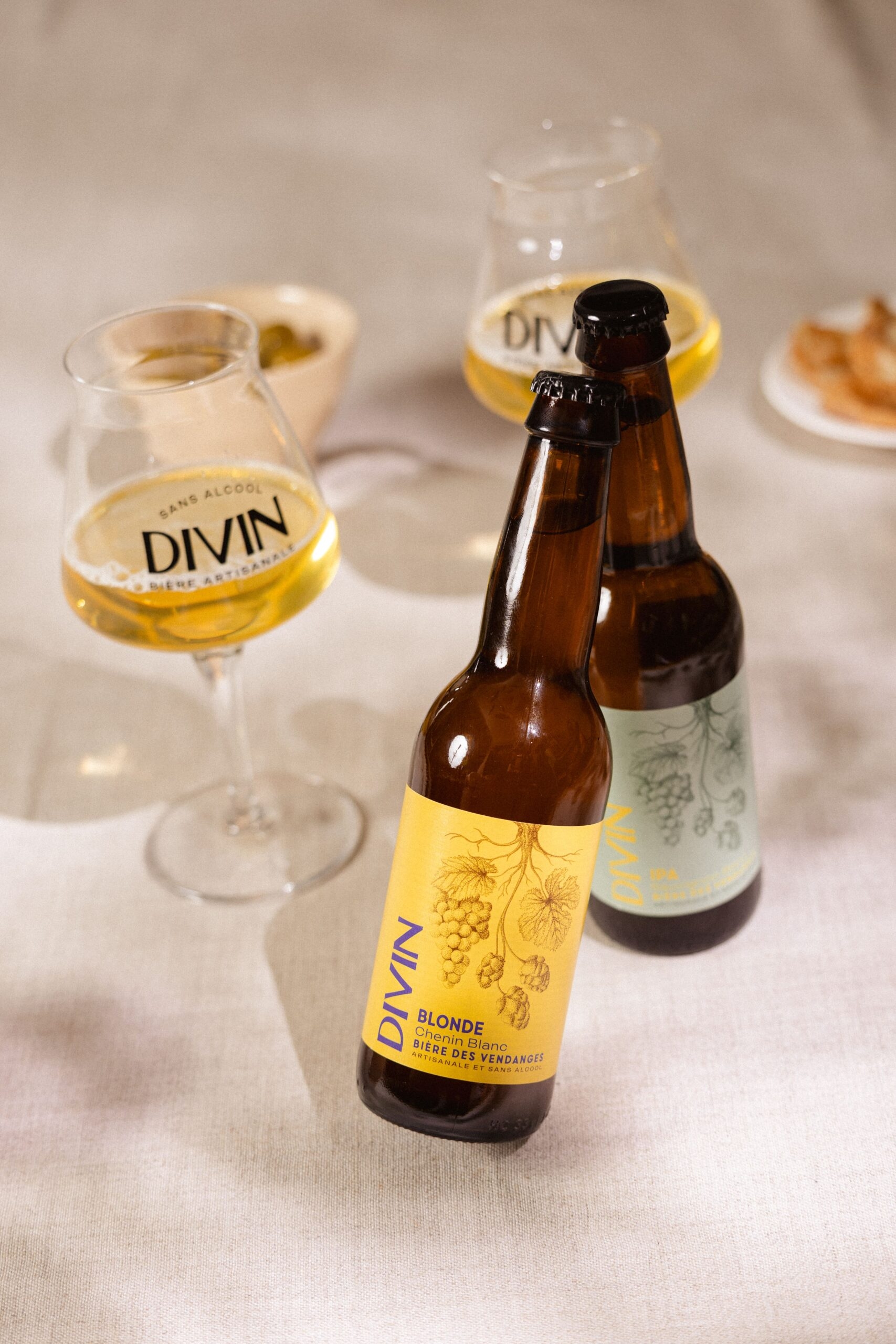
Loire Grape Ale
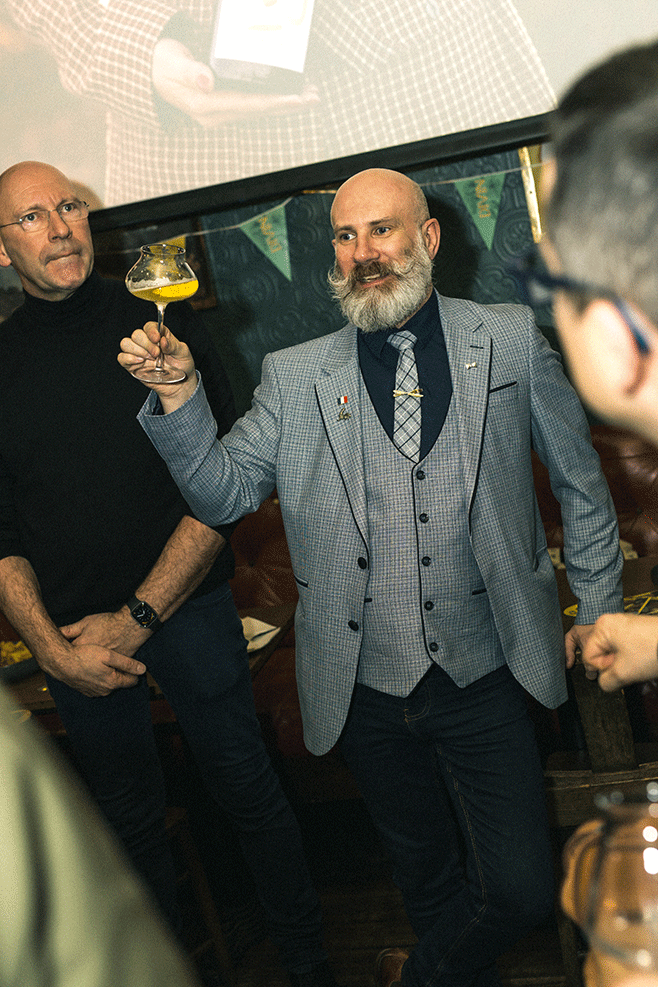
You don’t become a brewer overnighteven when you know the vineyard by heart. That’s why we entrusted our creations to the palate of Cyril Hubert, a renowned beer expert and international judge. His encounter with DIVIN marked a turning point. When tasting our 0.0% beers, he discovered a level of complexity we had not yet dared to name: “You’re not simply making grape beers, you’re creating Loire Grape Ales.” Cyril Hubert
Thanks to his insight, our IPA evolved into a Sauvignon Sour Ale, and our Blonde fully revealed its character as a Chenin Golden Ale. With Cyril Hubert by our side, every DIVIN bottle is more than just an alcohol-free alternative, it is a true expression of brewing gastronomy.

SUSTAINABLE WINEGROWING PRACTICES
At DIVIN, owner of our vineyards in Touraine, we combine the demand for de-alcoholisation with sustainable and ethical viticultural practices. Respectful of the land and our teams, we guarantee authentic wines without compromising on quality or the environment.
Innovation
Guided by a pioneering spirit, we push back the boundaries of innovation by constantly reinventing our disalcoholisers. From concept to production, we explore every possibility with passion, to offer bold, sustainable solutions.
Local roots
DIVIN is actively involved with local associations, multiplying initiatives that bring beautiful stories to life. Each partnership strengthens our link with the community and gives a profound meaning to our actions.
CRAFT
DIVIN draws its inspiration from traditional know-how. Every stage, from parcel selection to de-alcoholisation, bears witness to our authenticity and attention to detail. We reinvent the pleasure of sharing.

Our online shop
You can find DIVIN in our partner wine shops and in our online shop Aux Trésors de Bacchus.
FAQ
DIVINHow should I store an alcohol-free wine after opening?
To preserve its aromas and freshness, keep your alcohol-free wine refrigerated and enjoy it within 3 to 5 days after opening.
When is the right time to drink alcohol-free wine?
At DIVIN, we like to say that alcohol-free wine is perfect for any occasion—whether it’s a refined meal, a celebration, or simply a moment of relaxation. It delivers all the pleasure and complexity of wine, without the effects of alcohol.
Does alcohol-free wine contain calories?
Yes, but far fewer than traditional wines with alcohol. Since alcohol is the main source of calories in wine, its removal naturally reduces the calorie content. On average, alcohol-free wine contains between 15 and 30 kcal per 100 ml, compared to 70 to 90 kcal for a regular wine. By comparison, soft drinks and fruit juices are often higher in calories due to their significantly higher sugar content. For more details, check out our nutritional charts!
Share your
Divin moment